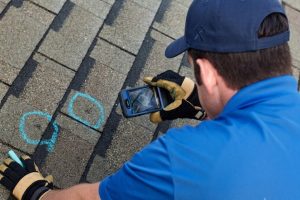
 Your roof is one of the most important parts of your home, protecting your family, belongings, and the structural integrity of your property every day. While many homeowners only think about their roof after discovering a leak, routine professional roof inspections are one of the best ways to prevent expensive repairs and extend the life of your roofing system. Whether you’ve experienced a recent storm, are buying or selling a home, or simply want peace of mind, understanding what happens during a professional roof inspection can help you make informed decisions about your property.
Why Schedule a Professional Roof Inspection?
Many roofing problems begin as small issues that aren’t visible from the ground. Missing shingles, deteriorating flashing, damaged sealants, and hidden moisture can all develop over time without obvious signs inside your home.
A professional roof inspection identifies these concerns before they become major problems, allowing homeowners to make affordable repairs rather than facing a complete roof replacement prematurely.
Regular inspections are especially important after severe weather, high winds, hailstorms, or as your roof approaches the second half of its expected lifespan.
Step 1: Discussing Your Roof’s History
A professional inspection often begins with a conversation.
Your roofing contractor may ask:
- How old is the roof?
- Have you experienced leaks?
- Has the roof been repaired previously?
- Have you noticed missing shingles or storm damage?
- Have there been recent weather events?
This information helps guide the inspection and highlights areas that may require additional attention.
Step 2: Exterior Roof Evaluation
The exterior inspection is the most visible part of the process. Roofing professionals carefully examine the entire roofing system—not just the shingles.
During this evaluation, they typically inspect:
Roofing Materials
Your contractor checks for:
-
- Missing shingles
- Curling or cracked shingles
- Loose roofing materials
- Granule loss
- Aging or worn sections
- Signs of impact damage from hail or debris
Different roofing materials have different warning signs, so experienced contractors know what to look for based on your specific roof type.
Flashing Inspection
Flashing protects vulnerable areas where water can enter your home.
Inspectors examine flashing around:
-
- Chimneys
- Skylights
- Roof vents
- Plumbing stacks
- Valleys
- Dormers
- Wall intersections
Loose, rusted, or damaged flashing is one of the most common causes of roof leaks.
Gutters and Drainage
Proper drainage is essential to roof performance.
During the inspection, professionals evaluate:
-
- Gutters
- Downspouts
- Drainage patterns
- Debris buildup
- Water overflow
- Signs of standing water
Poor drainage can shorten your roof’s lifespan and contribute to foundation problems.
Step 3: Structural Assessment
A roofing contractor also looks for signs that the roof structure itself may have issues.
They inspect for:
- Roof sagging
- Uneven roof lines
- Soft spots
- Deck deterioration
- Structural movement
- Ventilation concerns
These issues can indicate hidden damage that requires immediate attention.
Step 4: Attic Inspection
Not every roofing problem starts on top of the roof.
If accessible, professionals inspect the attic for signs of:
- Water intrusion
- Mold growth
- Damp insulation
- Wood rot
- Proper ventilation
- Condensation
- Sunlight entering through the roof
The attic often reveals problems that haven’t yet appeared inside your living space.
Step 5: Ventilation Evaluation
Roof ventilation plays a major role in protecting your roofing system.
Poor ventilation can lead to:
- Excess heat buildup
- Higher energy bills
- Ice dams in colder climates
- Moisture accumulation
- Premature shingle deterioration
- Mold and mildew growth
A professional ensures your intake and exhaust ventilation are working together to promote proper airflow.
Step 6: Checking Roof Penetrations
Anything that passes through your roof has the potential to become a leak.
Roof inspectors carefully evaluate:
- Plumbing vents
- Exhaust vents
- HVAC penetrations
- Satellite mounts
- Solar panel attachments
- Antennas
Sealants around these penetrations naturally deteriorate over time and may require maintenance.
Step 7: Looking for Storm Damage
If your area has experienced severe weather, your roofing contractor will specifically search for storm-related damage.
This includes:
- Wind damage
- Lifted shingles
- Hail impacts
- Fallen tree damage
- Flying debris damage
- Water intrusion
Even seemingly minor storm damage can lead to significant problems if left unaddressed.
Step 8: Documenting Findings
After completing the inspection, your roofing professional typically provides a detailed assessment of the roof’s condition.
This may include:
- Photos of damaged areas
- Estimated remaining roof life
- Maintenance recommendations
- Repair priorities
- Replacement considerations if necessary
Good documentation helps homeowners understand exactly what condition their roof is in.
Step 9: Discussing Repair Options
If issues are found, your contractor explains:
- Which repairs should be completed immediately
- Which maintenance items can wait
- Estimated costs
- Expected timelines
- Whether repairs or replacement offer the best long-term value
A trustworthy roofing contractor educates homeowners rather than pressuring them into unnecessary work.
Benefits of Routine Roof Inspections
Scheduling periodic roof inspections offers several long-term advantages:
- Detect small issues before they become expensive repairs
- Extend the lifespan of your roofing system
- Improve home value
- Protect your home’s structure
- Reduce the risk of unexpected leaks
- Maintain proper ventilation and drainage
- Support insurance claims after storms
- Provide peace of mind
Preventative maintenance is almost always less expensive than emergency repairs.
How Often Should You Have Your Roof Inspected?
Most roofing professionals recommend scheduling an inspection:
- Once every year
- After major storms
- Before buying or selling a home
- If your roof is over 10 years old
- Whenever you notice signs of damage or leaks
Regular inspections help ensure your roof continues protecting your home for years to come.
Protect Your Investment with a Professional Roof Inspection
Your roof works around the clock to protect everything underneath it. A professional roof inspection provides valuable insight into its condition, identifies potential issues early, and helps you make informed decisions about maintenance and repairs.
Whether your roof is brand new or decades old, regular inspections are one of the smartest investments you can make to protect your home, extend your roof’s lifespan, and avoid costly surprises.
Frequently Asked Questions
1. What is included in a professional roof inspection?
A professional roof inspection includes evaluating roofing materials, flashing, gutters, ventilation, roof penetrations, structural components, and, when accessible, the attic for signs of leaks or damage.
2. How long does a roof inspection take?
Most residential roof inspections take between 30 minutes and two hours, depending on the size, complexity, and condition of the roof.
3. How often should I have my roof inspected?
Most homeowners should schedule a professional roof inspection once a year and after major storms that produce high winds, hail, or heavy rain.
4. Can a roof inspection detect hidden leaks?
Yes. Professional roof inspections often identify hidden moisture, damaged flashing, deteriorated sealants, and attic signs of water intrusion before leaks become visible inside your home.
5. Should I have my roof inspected after a storm?
Yes. Even if your roof appears undamaged from the ground, storms can loosen shingles, damage flashing, or create small punctures that worsen over time.
6. Will a roof inspection tell me if I need a replacement?
A professional inspector evaluates your roof’s overall condition and remaining lifespan. If repairs are sufficient, they’ll explain your options. If the roof has reached the end of its service life, they’ll discuss replacement recommendations.
7. Do roof inspections include the attic?
When attic access is available, many roofing contractors inspect it for water stains, mold, ventilation issues, damp insulation, and structural concerns that may indicate roofing problems.
8. What are common problems found during a roof inspection?
Common issues include missing shingles, cracked shingles, damaged flashing, clogged gutters, poor ventilation, deteriorated sealants, soft spots, and signs of storm damage.
9. Can regular roof inspections extend the life of my roof?
Yes. Identifying and repairing small problems early helps prevent larger issues that shorten the lifespan of your roofing system.
10. Is a professional roof inspection worth it?
Absolutely. Routine roof inspections can help homeowners avoid costly repairs, protect their investment, improve safety, and provide peace of mind by identifying problems before they become emergencies.
Crisp Roofing Provides Roof Installation and Repair Services
We install and repair roofing for commercial and residential roofing projects. We are experts at designing and installing roofing systems. A well designed roofing system will help your roof to last longer and prevent leakage in troubled areas of your roof.
> Learn More
Contact us (859-525-7888) for a free quote!
—
 About Crisp Roofing
Crisp Roofing installs and maintains quality residential and commercial roofing systems in Greater Cincinnati and Northern Kentucky. We specialize in Roofing, Gutters, Siding, and more. Since 2003, Crisp Roofing has been committed to the roofing industry, our employees, and our customers and that is the reason we have been able to grow our business every year since we have began. We are certified by the GAF and CertainTeed companies to install and maintain their roofing systems so you can be assured each job will be completed with the the highest standards. Crisp Roofing is an active member of the Northern Kentucky Home Builders Association (HBANKY) and maintains a A+ rating with the Better Business Bureau (BBB).