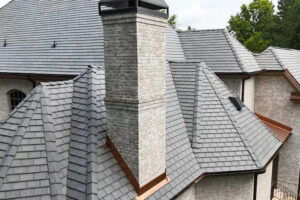
 Slate shingles have long been recognized as one of the most durable and aesthetically pleasing roofing materials available. Their timeless appeal and remarkable longevity make them a popular choice among homeowners and businesses alike. In this guide, we will delve into everything you need to know about slate shingles, from their composition and types to installation, maintenance, and the benefits they offer. Whether you are considering a new roof or simply want to learn more about this classic material, this comprehensive resource will provide valuable insights.
Understanding Slate Roofing
What Are Slate Shingles?
Slate shingles are roofing materials made from natural slate, a metamorphic rock formed under high pressure and heat. This unique geological process results in a dense, durable material that is resistant to various environmental factors. Slate is available in a variety of colors, including gray, green, purple, and black, allowing homeowners to choose a style that complements their property.
The History of Slate Roofing
Slate roofing has a rich history that dates back centuries. Its use can be traced to ancient civilizations, where it was valued for its fire resistance and longevity. In the United States, slate became particularly popular in the northeastern regions during the colonial period, where it was used to replace wooden shingles due to its superior protective qualities.
The Composition of Slate
Slate is primarily composed of clay minerals, quartz, and various other minerals that contribute to its unique color and texture. The natural formation process gives slate its characteristic layered structure, which allows it to be split into thin, flat tiles. This property makes slate an ideal roofing material, as it can be easily shaped and installed to create a watertight seal.
Types of Slate Roofs
Natural Slate vs. Synthetic Slate
When considering slate roofing, homeowners often face the choice between natural slate and synthetic alternatives. Natural slate is quarried from the earth and offers unmatched authenticity and durability. In contrast, synthetic slate is made from composite materials designed to mimic the appearance of real slate. While synthetic options can be more affordable, they may not provide the same level of longevity and aesthetic appeal as natural slate.
Hard Slate vs. Soft Slate
Slate can also be categorized into two main types: hard slate and soft slate. Hard slate is known for its exceptional durability and resistance to weathering, making it an excellent choice for areas with harsh climates. Soft slate, while still a viable option, is generally less durable and has a shorter lifespan. When selecting slate for your roofing project, consider your local climate and the specific needs of your property.
The Benefits of Slate Roofing
Longevity and Durability
One of the most significant advantages of slate roofing is its impressive lifespan. When properly installed and maintained, slate shingles can last for over a century, often outlasting other roofing materials by decades. This longevity translates into long-term cost savings, as homeowners will not need to replace their roofs frequently.
Aesthetic Appeal
Slate roofing is renowned for its beauty and elegance. The natural variations in color and texture create a unique appearance that enhances the overall curb appeal of any property. Whether your home has a traditional or modern design, slate shingles can complement and elevate its aesthetic.
Fire Resistance
Slate is a naturally fireproof material, making it an ideal choice for homes in areas prone to wildfires or other fire hazards. Unlike other roofing materials that may ignite or melt, slate remains unaffected by high temperatures, providing peace of mind for homeowners.
Eco-Friendly Choice
For environmentally conscious homeowners, slate roofing offers a sustainable option. As a natural material, slate does not contain harmful chemicals or toxins, making it safe for both occupants and the environment. Additionally, the longevity of slate roofs means that fewer resources are consumed over time, reducing waste and promoting sustainability.
Installation of Slate Roofing
Preparing for Installation
Before installing slate shingles, it is essential to assess your home’s structure. Slate is considerably heavier than other roofing materials, so it is crucial to ensure that your roof can support the weight. Consulting with a structural engineer can help determine if any reinforcements are necessary.
Choosing a Qualified Contractor
Installing slate roofing requires specialized skills and knowledge. It is vital to hire a contractor who has experience with slate installation to ensure the job is done correctly. Look for professionals with a proven track record and positive reviews from previous clients.
The Installation Process
The installation of slate shingles typically involves several key steps:
-
- Removal of Existing Roofing: If replacing an old roof, the existing materials must be removed to prepare the surface for new installation.
- Deck Preparation: The roof deck should be inspected for any damage and reinforced as needed to support the weight of the slate.
- Underlayment Installation: A high-quality underlayment is essential to provide additional waterproofing and protection against leaks.
- Slate Placement: Slate shingles are carefully laid in overlapping rows, ensuring a watertight seal.
- Finishing Touches: Flashing and other components are installed to complete the roofing system.
Maintenance of Slate Roofing
Regular Inspections
To maximize the lifespan of your slate roof, regular inspections are crucial. Homeowners should schedule professional evaluations at least once a year to identify any potential issues before they escalate. During these inspections, roofers will check for cracked or loose tiles, damaged flashing, and any signs of water infiltration.
Cleaning and Repairs
Slate roofs require minimal maintenance, but occasional cleaning may be necessary to remove debris or stains. Homeowners should avoid using pressure washers, as the force can damage the tiles. Instead, gentle cleaning methods recommended by professionals should be used.
If repairs are needed, it is essential to hire a qualified contractor who specializes in slate roofing. Attempting DIY repairs can lead to further damage and compromise the integrity of the roof.
Addressing Common Concerns
Some homeowners may have concerns about the potential for slate tiles to crack or break. While slate is a durable material, it can be susceptible to damage from heavy impacts or extreme weather conditions. Homeowners should take care to avoid walking on their roofs and ensure that tree branches are trimmed back to prevent falling debris.
Cost Considerations
Initial Investment
The cost of installing a slate roof can vary significantly based on factors such as the size of the roof, the type of slate chosen, and the complexity of the installation. On average, homeowners can expect to pay between $7 to $12 per square foot for slate shingles. While this initial investment may be higher than other materials, the long-term benefits often justify the expense.
Long-Term Savings
When evaluating the cost of slate roofing, it is essential to consider the long-term savings associated with its durability and low maintenance requirements. Unlike asphalt shingles, which may need to be replaced every 15 to 30 years, slate roofs can last for generations, reducing the overall cost of ownership.
Common Myths About Slate Roofing
Myth 1: Slate is Too Heavy for My Home
While it is true that slate is heavier than other roofing materials, most homes are structurally capable of supporting a slate roof with proper reinforcement. Consulting with a structural engineer can help alleviate concerns about weight.
Myth 2: Slate Roofs Are Too Expensive
Although the upfront cost of slate roofing may be higher than other materials, the long lifespan and minimal maintenance make it a cost-effective choice in the long run. Homeowners should view slate as an investment rather than an expense.
Myth 3: Slate Roofs Require Constant Maintenance
Slate roofs are known for their low maintenance needs. With regular inspections and occasional cleaning, homeowners can enjoy the benefits of slate roofing without the burden of constant upkeep.
Selecting the Right Slate for Your Project
Color and Texture Options
When choosing slate shingles, homeowners have a wide range of colors and textures to consider. Darker slates can conceal dirt and imperfections, while lighter shades can reflect sunlight and keep homes cooler. It is essential to select a color that complements the overall design of your home.
Thickness and Size
Slate tiles come in various thicknesses and sizes, which can impact both the aesthetic and performance of the roof. Thicker tiles generally offer greater durability, while thinner options may be more cost-effective. Homeowners should consult with their roofing contractor to determine the best choice for their specific needs.
Crisp Roofing Provides Roof Installation and Repair Services
We install and repair roofing for commercial and residential roofing projects. We are experts at designing and installing roofing systems. A well designed roofing system will help your roof to last longer and prevent leakage in troubled areas of your roof.
> Learn More
Slate shingles represent a timeless and durable roofing solution that can enhance the beauty and value of any home or business. With their impressive lifespan, fire resistance, and eco-friendly qualities, slate roofs are an investment that pays off in the long run. By understanding the benefits, installation process, and maintenance requirements of slate roofing, homeowners can make informed decisions that will protect their property for generations to come. Whether you are building a new home or considering a roof replacement, slate shingles are a choice worth exploring.
Contact us (859-525-7888) for a free quote!
—
 About Crisp Roofing
Crisp Roofing installs and maintains quality residential and commercial roofing systems in Greater Cincinnati and Northern Kentucky. We specialize in Roofing, Gutters, Siding, and more. Since 2003, Crisp Roofing has been committed to the roofing industry, our employees, and our customers and that is the reason we have been able to grow our business every year since we have began. We are certified by the GAF and CertainTeed companies to install and maintain their roofing systems so you can be assured each job will be completed with the the highest standards. Crisp Roofing is an active member of the Northern Kentucky Home Builders Association (HBANKY) and maintains a A+ rating with the Better Business Bureau (BBB).