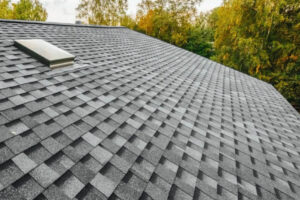
 Asphalt shingles have emerged as a popular choice for roofing solutions, favored for their affordability, durability, and aesthetic versatility. As homeowners or business operators consider their roofing options, understanding the various aspects of asphalt shingles can help in making an informed decision. This guide delves into everything you need to know about asphalt shingles, from types and benefits to installation and maintenance.
Understanding Asphalt Shingles
Asphalt shingles are composed of a base layer of fiberglass or organic materials, coated with asphalt and topped with granules. These granules provide color and protect the shingles from UV rays, enhancing their durability. The shingles are designed to overlap, creating a watertight barrier that protects the underlying structure from the elements.
Composition of Asphalt Shingles
-
- Fiberglass Mat: This is the backbone of the shingle, providing strength and flexibility. It helps the shingles resist cracking and warping.
- Asphalt Coating: The primary function of asphalt is to act as a waterproofing agent, ensuring that water does not seep through the shingles.
- Granules: These ceramic-coated particles serve multiple purposes, including providing color, enhancing UV protection, and preventing the degradation of the asphalt.
- Back Surfacing: This layer prevents the shingles from sticking together during storage and installation.
Types of Asphalt Shingles
Asphalt shingles come in various types, each offering distinct features and benefits:
-
- Three-Tab Shingles: These are the most economical option, featuring a flat surface with cutouts that create a classic appearance. They are lightweight and easy to install but may have a shorter lifespan compared to other types.
- Dimensional (Architectural) Shingles: These shingles are thicker and provide a more textured appearance, mimicking the look of wood shakes or slate. They are popular for their durability and aesthetic appeal.
- Luxury Shingles: Designed to replicate high-end materials, luxury shingles offer an elegant look while providing superior performance. They are thicker and generally come with a longer warranty.
Benefits of Asphalt Shingles
Choosing asphalt shingles for your roofing needs comes with a multitude of advantages. Here are some key benefits:
Affordability
Asphalt shingles are one of the most cost-effective roofing materials available. Their lower manufacturing costs translate to savings for homeowners and business owners alike. This affordability extends not only to the shingles themselves but also to installation costs, as they are relatively easy for contractors to work with.
Durability
These shingles are engineered to withstand various weather conditions, including heavy rains, strong winds, and extreme temperatures. Many asphalt shingles come with warranties ranging from 20 to 50 years, depending on the type and brand.
Aesthetic Versatility
Available in a wide range of colors and styles, asphalt shingles can complement any architectural design. Whether your home features a traditional or modern look, there is an asphalt shingle option that will enhance its curb appeal.
Low Maintenance
Asphalt shingles require minimal upkeep compared to other roofing materials. Regular inspections and occasional cleaning to remove debris are typically sufficient to maintain their performance and appearance.
Energy Efficiency
Certain asphalt shingles are designed with reflective properties that can help reduce heat absorption, leading to lower energy costs during hot months. These “cool” shingles can significantly improve the energy efficiency of your home or business.
Installation Process
Installing asphalt shingles is a task best left to professionals, but understanding the process can help you communicate effectively with your contractor. Here’s a general overview of the steps involved:
Preparation
-
- Roof Inspection: Before installation, a thorough inspection of the roof deck is essential to identify any damage or necessary repairs.
- Clean the Roof Surface: The roof should be free of debris, dirt, and old roofing materials to ensure a smooth application.
Installation Steps
-
- Underlayment Application: A water-resistant underlayment is installed to provide an additional layer of protection against moisture.
- Starter Strip Installation: The first row of shingles, known as the starter strip, is applied along the eaves to prevent water infiltration.
- Shingle Placement: Starting from the bottom and working upwards, shingles are laid in overlapping rows to create a watertight seal.
- Ridge Caps: Finally, ridge caps are installed at the peaks of the roof to complete the installation.
Maintenance Tips for Asphalt Shingles
While asphalt shingles are low maintenance, certain practices can prolong their lifespan and maintain their appearance:
Regular Inspections
Conducting routine inspections can help identify potential issues early on. Look for missing or damaged shingles, signs of algae growth, or debris accumulation.
Cleaning
Keeping your roof clear of debris, such as leaves and branches, is essential. Accumulated debris can trap moisture and lead to mold or algae growth.
Trim Overhanging Branches
Tree branches that extend over the roof can cause damage during storms. Trimming these branches can prevent potential hazards and protect your shingles.
Gutter Maintenance
Regularly cleaning gutters and downspouts ensures proper drainage, preventing water from pooling on the roof and causing damage.
Environmental Impact
Asphalt shingles are not only practical but also environmentally friendly. Many manufacturers have adopted sustainable practices, including recycling old shingles into new products. This reduces landfill waste and promotes a circular economy.
Recyclability
At the end of their lifespan, asphalt shingles can be recycled into new roofing materials or used in road construction. This process reduces the environmental footprint associated with roofing materials.
Energy Efficiency
By selecting energy-efficient asphalt shingles, homeowners can reduce their overall energy consumption, contributing to a more sustainable living environment.
Cost Considerations
When considering asphalt shingles for your roofing project, it’s essential to factor in various costs:
Material Costs
On average, asphalt shingles range from $2 to $10 per square foot, depending on the type and quality. Premium options, such as luxury shingles, will naturally incur higher costs.
Installation Costs
Labor costs can vary significantly based on location and the complexity of the roof. It’s advisable to obtain multiple quotes from reputable contractors to ensure competitive pricing.
Long-Term Value
While the initial investment may vary, asphalt shingles provide excellent long-term value due to their durability and low maintenance requirements. Over time, they can prove to be a cost-effective roofing solution.
Choosing the Right Asphalt Shingles
Selecting the appropriate asphalt shingles for your home or business involves considering several factors:
Climate Considerations
Different regions experience varying weather conditions. For areas prone to high winds or hail, choosing impact-resistant shingles can provide added protection.
Aesthetic Preferences
Consider the architectural style of your home and choose shingles that complement its design. With a wide array of colors and textures available, you can achieve the desired look.
Budget Constraints
Establishing a budget before shopping for shingles can help narrow down your options. Keep in mind that investing in higher-quality shingles may result in long-term savings.
Common Myths About Asphalt Shingles
Despite their popularity, several misconceptions surround asphalt shingles. Here are a few common myths debunked:
Myth 1: Asphalt Shingles Are Low Quality
While some may perceive asphalt shingles as inferior, they are manufactured to meet rigorous industry standards. Many premium options offer exceptional durability and performance.
Myth 2: They Are Not Environmentally Friendly
As mentioned earlier, asphalt shingles are recyclable and can contribute to sustainable building practices. Many manufacturers prioritize eco-friendly production methods.
Myth 3: Asphalt Shingles Require Frequent Replacement
With proper maintenance, asphalt shingles can last 20 to 50 years, depending on the type. Regular inspections and care can significantly extend their lifespan.
Crisp Roofing Provides Roof Installation and Repair Services
We install and repair roofing for commercial and residential roofing projects. We are experts at designing and installing roofing systems. A well designed roofing system will help your roof to last longer and prevent leakage in troubled areas of your roof.
> Learn More
Asphalt shingles represent a versatile and practical roofing solution for homeowners and businesses alike. Their affordability, durability, and aesthetic appeal make them a top choice in the roofing industry. By understanding the various types, benefits, installation processes, and maintenance tips, you can make an informed decision when it comes to your roofing needs. Whether you’re upgrading an existing roof or building new, asphalt shingles can provide the protection and style your property deserves.
Contact us (859-525-7888) for a free quote!
—
 About Crisp Roofing
Crisp Roofing installs and maintains quality residential and commercial roofing systems in Greater Cincinnati and Northern Kentucky. We specialize in Roofing, Gutters, Siding, and more. Since 2003, Crisp Roofing has been committed to the roofing industry, our employees, and our customers and that is the reason we have been able to grow our business every year since we have began. We are certified by the GAF and CertainTeed companies to install and maintain their roofing systems so you can be assured each job will be completed with the the highest standards. Crisp Roofing is an active member of the Northern Kentucky Home Builders Association (HBANKY) and maintains a A+ rating with the Better Business Bureau (BBB).