 Investing in a new roof or major repairs is a significant decision for any homeowner. The quality of work and materials used will impact your home’s protection and value for years to come. That’s why it’s crucial to thoroughly vet potential roofing contractors before signing any agreements. By asking the right questions upfront, you can gain valuable insights into a roofer’s qualifications, work practices, and reliability. This comprehensive guide will walk you through the key inquiries to make when evaluating roofing professionals, helping ensure you select a trustworthy contractor who will deliver excellent results.
Evaluating a Roofing Contractor’s Credentials and Experience
When beginning your search for a qualified roofer, start by assessing their basic qualifications and industry experience. Key areas to investigate include:
Licensing and Insurance Coverage
One of the first things to verify is whether the contractor holds all required state and local licenses to perform roofing work in your area. Ask to see proof of their current license and confirm it’s valid. Additionally, reputable roofers should carry both general liability insurance and workers’ compensation coverage to protect you in case of accidents or property damage. Request certificates of insurance and contact the providers to verify the policies are active.
Years in Business and Specializations
Inquire about how long the company has been operating and what types of roofing projects they specialize in. While newer businesses can certainly be skilled, those with a longer track record may offer more stability. Ask if they focus mainly on residential or commercial work, and if they have expertise with your specific roofing material or architectural style.
Industry Affiliations and Certifications
Many top roofing manufacturers offer special certification programs for contractors who undergo product-specific training. Ask if the company holds any such designations, as these can indicate a higher level of expertise with particular materials. Membership in professional roofing associations is another positive sign of industry involvement.
Local Presence and Reputation
Verify the contractor has a permanent local business address, not just a P.O. box. This helps ensure they’ll be available if warranty issues arise down the road. Check their standing with the Better Business Bureau and read online reviews to gauge their reputation for quality and service.
Understanding the Roofing Process and Materials
Once you’ve established a contractor’s basic qualifications, dig deeper into their approach to roofing projects:
Detailed Project Scope and Timeline
Request a comprehensive written proposal outlining all aspects of the job, including:
-
- Specific roofing materials to be used
- Step-by-step description of the installation process
- Estimated start and completion dates
- Payment terms and schedule
Material Selection and Sourcing
Ask about the types and brands of roofing products they recommend and why. Inquire if they use a complete roofing system from a single manufacturer, which can provide better warranty coverage. Find out how they source materials and if they have relationships with quality suppliers.
Proper Ventilation and Insulation
Ensure the contractor will evaluate your attic’s ventilation and insulation as part of the project. Proper airflow and temperature control are crucial for roof longevity. Ask how they determine ventilation needs and what solutions they typically employ.
Removal of Old Roofing
For full replacements, confirm whether the existing roof will be completely removed or if new shingles will be installed over the old ones. Complete tear-offs are generally preferable but more costly. Discuss the pros and cons of each approach.
Assessing Installation Techniques and Quality Control
The quality of installation is just as important as the materials used. Probe into the contractor’s methods:
Nailing Patterns and Techniques
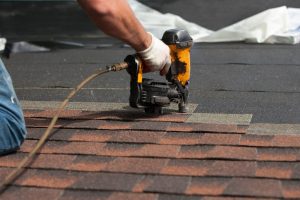
Ask about their standard nailing practices for shingles, including the number and placement of nails used. Proper fastening is crucial for wind resistance and long-term performance.
Flashing Installation
Discuss how they handle flashing around chimneys, vents, and other roof penetrations. Proper flashing is essential for preventing leaks in these vulnerable areas.
Ice and Water Shield Application
In cold climates, inquire about the use of ice and water shield membranes along eaves and in valleys to prevent ice dam damage.
Quality Checks and Inspections
Ask about their quality control process. Do they have supervisors overseeing the work? Will final inspections be conducted? How do they ensure consistent workmanship across their crews?
Evaluating Warranties and Guarantees
Understanding the warranty coverage for both materials and labor is crucial:
Manufacturer’s Product Warranty
Discuss the warranty terms for the roofing materials, including duration and what’s covered. Ask if the contractor is certified to offer extended manufacturer warranties.
Contractor’s Workmanship Warranty
Inquire about the roofer’s own guarantee on their installation work. How long is it valid? What exactly does it cover? How are claims handled?
Transferability of Warranties
If you may sell your home in the future, ask if the warranties can be transferred to new owners and what that process entails.
Examining Safety Practices and Jobsite Management
Responsible contractors prioritize safety and professionalism on the job:
Worker Safety Protocols
Ask about their safety training and fall protection measures for workers. Do they follow OSHA guidelines?
Property Protection Methods
Discuss how they safeguard your home’s exterior, landscaping, and interior from damage during the project. Will tarps and plywood be used to shield areas?
Debris Removal and Cleanup
Inquire about their process for containing and removing old roofing materials and nails. How often is the site cleaned during the project? What’s their final cleanup procedure?
Project Management and Communication
Ask who will be your main point of contact during the job. How will progress updates be provided? What’s their policy on change orders if unexpected issues arise?
Reviewing Past Work and References
A contractor’s track record speaks volumes about their reliability:
Portfolio of Completed Projects
Request to see photos of past jobs similar to yours. If possible, ask to visit recent project sites in person to inspect the work.
Client References
Ask for contact information for several recent customers. When speaking with references, inquire about their overall experience, quality of work, timeliness, and how any issues were handled.
Online Reviews and Ratings
Check the company’s ratings on review sites like Google, Yelp, and Angi. Look for patterns in feedback, both positive and negative.
Understanding Pricing and Payment Terms
Clear financial arrangements are essential for a smooth project:
Detailed Cost Breakdown
Request an itemized estimate showing material costs, labor, and any additional charges. Ask about potential price fluctuations and how they’re handled.
Payment Schedule
Discuss the expected payment timeline. Be wary of large upfront deposits. A typical schedule might include a deposit, progress payments, and final payment upon completion.
Financing Options
If needed, ask if the contractor offers financing plans or can recommend reputable lenders for home improvement loans.
Verifying Proper Permits and Inspections
Ensure all legal requirements will be met:
Building Permit Acquisition
Confirm the contractor will obtain necessary permits from your local building department. Ask to see copies once secured.
Code Compliance
Inquire about their familiarity with local building codes and how they ensure compliance throughout the project.
Final Inspections
Ask if they arrange for required municipal inspections upon job completion and provide documentation of passed inspections.
Discussing Project Timeline and Logistics
Clear expectations about scheduling help avoid conflicts:
Estimated Project Duration
Get a realistic timeframe for how long the job will take, accounting for potential weather delays.
Work Hours and Noise Levels
Discuss their typical daily work schedule and how they minimize disruptions to your household routine.
Material Delivery and Storage
Ask where roofing materials will be delivered and stored on your property prior to installation.
Power and Water Access
Confirm if they’ll need to use your home’s electricity or water during the project and any associated costs.
Evaluating Environmental and Energy Efficiency Considerations
For eco-conscious homeowners, explore green roofing options:
Energy-Efficient Products
Ask about cool roofing materials that can reduce heat absorption and lower cooling costs.
Recycled Content Options
Inquire if they offer shingles or other components made with recycled materials.
Solar Readiness
If you’re considering future solar panel installation, discuss how they can prepare the roof to accommodate this.
Proper Disposal of Old Materials
Ask about their practices for recycling or properly disposing of removed roofing materials.
Assessing Post-Installation Support
A contractor’s commitment shouldn’t end when the job is done:
Maintenance Recommendations
Request guidelines for maintaining your new roof to maximize its lifespan.
Post-Installation Inspections
Ask if they offer courtesy inspections in the months or years following installation to catch any developing issues early.
Emergency Repair Services
Inquire about their availability for urgent repairs if problems arise down the road.
Documentation Provided
Confirm you’ll receive copies of all warranties, permits, and inspection reports upon project completion.
Crisp Roofing Provides Roof Installation and Repair Services
We install and repair roofing for commercial and residential roofing projects. We are experts at designing and installing roofing systems. A well designed roofing system will help your roof to last longer and prevent leakage in troubled areas of your roof. > Learn More
By thoroughly exploring these key areas with potential roofing contractors, you’ll gain valuable insights to inform your hiring decision. Remember, a reputable professional will welcome your questions and provide clear, detailed responses. Take the time to conduct due diligence – your home’s protection and your peace of mind are worth the effort.
Contact us (859-525-7888) for a free quote!
—
 About Crisp Roofing
Crisp Roofing installs and maintains quality residential and commercial roofing systems in Greater Cincinnati and Northern Kentucky. We specialize in Roofing, Gutters, Siding, and more. Since 2003, Crisp Roofing has been committed to the roofing industry, our employees, and our customers and that is the reason we have been able to grow our business every year since we have began. We are certified by the GAF and CertainTeed companies to install and maintain their roofing systems so you can be assured each job will be completed with the the highest standards. Crisp Roofing is an active member of the Northern Kentucky Home Builders Association (HBANKY) and maintains a A+ rating with the Better Business Bureau (BBB).