
 In today’s world, where energy conservation is paramount, homeowners are increasingly seeking ways to enhance their properties’ efficiency. One of the most impactful upgrades you can make is to invest in an energy-efficient roof. Not only does this choice contribute to a more sustainable environment, but it can also lead to significant savings on utility bills. This article delves into various energy-efficient roofing options, their benefits, and considerations for homeowners looking to make informed decisions.
Understanding Energy Efficiency in Roofing
Energy efficiency in roofing refers to the ability of roofing materials to minimize heat transfer, thereby reducing the energy required for heating and cooling a home. This efficiency is primarily influenced by two key factors: solar reflectance and thermal emissivity.
Solar Reflectance
Solar reflectance is the measure of how much sunlight is reflected away from the roof surface. A higher solar reflectance means less heat is absorbed, which can significantly lower indoor temperatures. This is particularly beneficial in warmer climates where cooling costs can skyrocket during the summer months.
Thermal Emissivity
Thermal emissivity, on the other hand, refers to a material’s ability to release absorbed heat back into the atmosphere. Materials with high thermal emissivity cool down quickly after sunset, helping to maintain a comfortable indoor environment. Together, these two properties contribute to a roof’s overall energy efficiency.
The Importance of Energy-Efficient Roofs
Investing in an energy-efficient roof can yield numerous benefits for homeowners. Here are some of the most significant advantages:
Cost Savings
One of the most compelling reasons to upgrade to an energy-efficient roof is the potential for substantial savings on energy bills. Homeowners can expect to see reductions in cooling costs of up to 25% or more, depending on the roofing material and local climate conditions.
Environmental Impact
By reducing energy consumption, energy-efficient roofs contribute to lower greenhouse gas emissions. This is an essential consideration for environmentally conscious homeowners who want to minimize their carbon footprint.
Increased Property Value
Homes equipped with energy-efficient roofing systems often have higher resale values. Prospective buyers are increasingly looking for energy-efficient features, making these homes more attractive in the real estate market.
Types of Energy-Efficient Roofing Materials
When it comes to selecting an energy-efficient roofing material, homeowners have several options. Each material has its unique benefits and characteristics.
Metal Roofing
Metal roofs are renowned for their durability and longevity, often lasting over 50 years. They are highly reflective, making them one of the best choices for energy efficiency. Metal roofing can reflect up to 70% of solar energy, significantly reducing heat absorption.
Benefits of Metal Roofing
-
-
- Longevity: Metal roofs can last for decades with minimal maintenance.
- Recyclability: Many metal roofing materials are made from recycled content and are themselves recyclable at the end of their life cycle.
- Energy Savings: The reflective properties of metal roofs can lead to significant reductions in cooling costs.
-
Tile Roofing
Tile roofs, made from materials such as clay or concrete, are another excellent option for energy efficiency. They allow for air circulation beneath the tiles, which helps to dissipate heat.
Advantages of Tile Roofing
-
-
- Aesthetic Appeal: Tile roofs offer a classic look that can enhance the architectural style of a home.
- Durability: Tile roofs can withstand harsh weather conditions and have a long lifespan.
- Energy Efficiency: When treated with reflective coatings, tile roofs can significantly improve their solar reflectance.
-
Asphalt Shingles
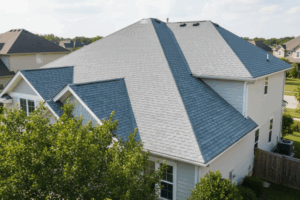
Traditionally, asphalt shingles have been less energy-efficient than other materials. However, advancements in technology have led to the development of energy-efficient asphalt shingles that incorporate reflective granules.
Features of Energy-Efficient Asphalt Shingles
-
-
- Cost-Effectiveness: Asphalt shingles are one of the most affordable roofing options available.
- Variety: They come in a wide range of colors and styles, allowing homeowners to choose a look that complements their home.
- Improved Efficiency: Newer models can reflect a significant amount of solar energy, making them a viable option for energy-conscious homeowners.
-
Green Roofs
Green roofs, or living roofs, are becoming increasingly popular in urban areas. These roofs are covered with vegetation and soil, providing insulation and reducing heat absorption.
Benefits of Green Roofs
-
-
- Insulation: The layers of soil and plants provide excellent insulation, reducing heating and cooling costs.
- Stormwater Management: Green roofs can absorb rainwater, reducing runoff and helping to manage stormwater.
- Biodiversity: They provide habitats for various species, contributing to urban biodiversity.
-
Factors to Consider When Choosing Energy-Efficient Roofing
When selecting an energy-efficient roofing option, homeowners should consider several factors to ensure they make the best choice for their needs.
Climate
The local climate plays a crucial role in determining the most suitable roofing material. For instance, homes in hot climates may benefit more from reflective materials, while those in colder regions might prioritize insulation.
Aesthetic Preferences
Homeowners should also consider the visual appeal of the roofing material. The roof is a significant aspect of a home’s exterior, and choosing a material that complements the overall design is essential.
Budget
While energy-efficient roofing materials can lead to long-term savings, the initial investment can vary significantly. Homeowners should evaluate their budget and consider the potential return on investment when selecting a roofing option.
Installation and Maintenance of Energy-Efficient Roofs
Proper installation and maintenance are critical to maximizing the benefits of energy-efficient roofing.
Professional Installation
Hiring a qualified roofing contractor is essential to ensure that the roofing material is installed correctly. Proper installation can significantly impact the roof’s performance and longevity.
Regular Maintenance
Routine maintenance, such as cleaning gutters and inspecting for damage, can help extend the life of the roof and maintain its energy efficiency. Homeowners should schedule regular inspections to identify and address any issues promptly.
Enhancing Energy Efficiency with Insulation and Ventilation
In addition to selecting the right roofing material, homeowners can further enhance energy efficiency by improving insulation and ventilation.
Insulation
Proper insulation helps to prevent heat transfer between the roof and the living spaces below. Homeowners should ensure that their attics are adequately insulated to maximize energy efficiency.
Ventilation
Good ventilation allows hot air to escape from the attic, reducing the risk of overheating and prolonging the life of the roofing materials. Homeowners should consider installing vents to promote airflow and maintain a comfortable indoor environment.
Financial Incentives for Energy-Efficient Roofing
Many states and local governments offer financial incentives for homeowners who choose energy-efficient roofing options. These incentives can include tax credits, rebates, and grants, making it more affordable to upgrade to energy-efficient materials.
Tax Credits
Homeowners may qualify for federal tax credits for installing energy-efficient roofing systems. These credits can significantly reduce the overall cost of the project.
Utility Rebates
Many utility companies offer rebates for energy-efficient upgrades, including roofing. Homeowners should check with their local utility providers to see what programs are available.
Investing in an energy-efficient roof is a smart decision for homeowners looking to reduce energy costs, enhance comfort, and contribute to environmental sustainability. With various materials available, each offering unique benefits, homeowners can find the perfect solution to meet their needs. By considering factors such as climate, aesthetics, and budget, and by ensuring proper installation and maintenance, homeowners can enjoy the long-term advantages of an energy-efficient roofing system.
Crisp Roofing Provides Roof Installation and Repair Services
We install and repair roofing for commercial and residential roofing projects. We are experts at designing and installing roofing systems. A well designed roofing system will help your roof to last longer and prevent leakage in troubled areas of your roof.
> Learn More
Contact us (859-525-7888) for a free quote!
—
 About Crisp Roofing
Crisp Roofing installs and maintains quality residential and commercial roofing systems in Greater Cincinnati and Northern Kentucky. We specialize in Roofing, Gutters, Siding, and more. Since 2003, Crisp Roofing has been committed to the roofing industry, our employees, and our customers and that is the reason we have been able to grow our business every year since we have began. We are certified by the GAF and CertainTeed companies to install and maintain their roofing systems so you can be assured each job will be completed with the the highest standards. Crisp Roofing is an active member of the Northern Kentucky Home Builders Association (HBANKY) and maintains a A+ rating with the Better Business Bureau (BBB).