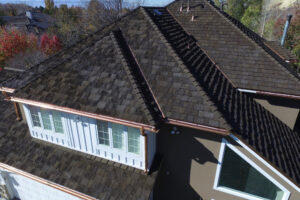
 Rubber roofing has emerged as a popular choice for both residential and commercial properties, thanks to its durability, eco-friendliness, and low maintenance requirements. As homeowners and builders increasingly seek sustainable and long-lasting roofing solutions, understanding when to opt for rubber roofing becomes essential. This guide will explore the various aspects of rubber roofing, including its benefits, types, installation processes, and maintenance tips, helping you make an informed decision for your next roofing project.
Understanding Rubber Roofing
Rubber roofing primarily consists of synthetic materials, with the most common type being EPDM (ethylene propylene diene terpolymer). This roofing material is made from a blend of recycled rubber, slate dust, and sawdust, making it an eco-friendly option. Rubber roofing is particularly well-suited for flat or low-slope roofs, where traditional materials like asphalt shingles may not perform as effectively.
Key Characteristics of Rubber Roofing
-
- Durability: Rubber roofs are designed to withstand harsh weather conditions, including heavy rain, hail, and extreme temperatures. Their resilience makes them a reliable choice for various climates.
- Low Maintenance: Unlike traditional roofing materials, rubber roofing requires minimal upkeep. It is resistant to mold, mildew, and algae, reducing the need for frequent cleaning.
- Energy Efficiency: Rubber roofing provides excellent insulation, helping to maintain a consistent indoor temperature and potentially lowering heating and cooling costs.
- Eco-Friendly: Many rubber roofing products are made from recycled materials and can be recycled at the end of their lifespan, making them a sustainable choice.
Types of Rubber Roofing
When considering rubber roofing, it’s essential to understand the different types available. The three primary types of rubber roofing materials are EPDM, TPO (thermoplastic olefin), and PVC (polyvinyl chloride). Each type has its unique properties and applications.
EPDM Roofing
EPDM is the most widely used rubber roofing material, particularly for flat and low-slope roofs. It is available in black or white and comes in large sheets, which minimizes seams and potential leak points.
-
- Advantages: EPDM is known for its affordability, ease of installation, and long lifespan, often lasting 30 to 50 years with proper maintenance.
- Disadvantages: While durable, EPDM can be more susceptible to punctures compared to other options, especially in high-traffic areas.
TPO Roofing
TPO is a single-ply roofing membrane that is gaining popularity due to its energy efficiency and UV resistance. It is available in various colors, making it a more aesthetically pleasing option.
-
- Advantages: TPO roofs reflect sunlight, which can help reduce cooling costs. They are also resistant to tears and punctures.
- Disadvantages: The lifespan of TPO can vary significantly based on the manufacturer and installation conditions, typically lasting between 15 to 30 years.
PVC Roofing
PVC roofing is known for its durability and resistance to chemicals, making it an excellent choice for commercial properties.
-
- Advantages: PVC roofs are highly resistant to fire and punctures, and they can withstand exposure to harsh chemicals.
- Disadvantages: PVC is generally more expensive than EPDM and TPO, and its manufacturing process is less eco-friendly.
Benefits of Choosing Rubber Roofing
Rubber roofing offers numerous advantages that make it an attractive option for homeowners and builders alike. Here are some of the key benefits:
Longevity
One of the standout features of rubber roofing is its impressive lifespan. When installed correctly and maintained properly, rubber roofs can last up to 50 years or more. This longevity is due to the material’s resistance to weathering and UV exposure.
Cost-Effectiveness
While the initial cost of rubber roofing may be higher than traditional materials like asphalt shingles, its durability and low maintenance requirements can lead to significant savings over time. Homeowners can expect to pay between $5 and $8 per square foot for rubber roofing installation, which includes both materials and labor.
Eco-Friendly Choice
Rubber roofing is often made from recycled materials, making it a sustainable option for environmentally conscious homeowners. Additionally, rubber roofs can be recycled at the end of their lifespan, further reducing their environmental impact.
Weather Resistance
Rubber roofing is designed to withstand extreme weather conditions, including heavy rain, hail, and high winds. Its watertight seal helps prevent leaks, making it an ideal choice for flat or low-slope roofs where water tends to pool.
Installation Process for Rubber Roofing
Installing rubber roofing requires careful planning and execution to ensure optimal performance and longevity. Here’s a general overview of the installation process:
Preparation
Before installation, the existing roof should be stripped down to the plywood base. This step ensures a clean surface for the new roofing material. If the roof is in poor condition, repairs may be necessary before proceeding.
Application Methods
Rubber roofing can be installed using various methods, including:
-
- Fully Adhered: The rubber membrane is glued directly to the roof deck, providing a strong bond.
- Mechanically Fastened: The membrane is secured with screws and plates, offering a reliable installation method.
- Ballasted: Large stones or pavers hold the membrane in place, minimizing the risk of wind uplift.
Sealing and Finishing Touches
Once the rubber roofing is installed, all seams and flashing should be properly sealed to prevent water infiltration. Regular inspections and maintenance will help ensure the roof remains in good condition.
Maintenance Tips for Rubber Roofing
To maximize the lifespan of your rubber roof, it’s essential to follow proper maintenance guidelines. Here are some tips to keep your rubber roofing in top shape:
Regular Cleaning
Cleaning your rubber roof at least twice a year is crucial for removing debris, leaves, and dirt. Use a soft-bristle brush or a pressure washer on a low setting to avoid damaging the roofing material.
Inspect for Damage
Regularly inspect your rubber roof for signs of damage, such as punctures, tears, or loose seams. Address any issues promptly to prevent leaks and further damage.
Avoid Harsh Chemicals
When cleaning your rubber roof, avoid using harsh chemicals, as they can damage the material. Stick to mild soaps or specialized rubber roof cleaners.
Seal Seams and Flashing
Ensure that all seams and flashing are properly sealed to prevent water infiltration. Reapply sealant as needed to maintain a watertight barrier.
Trim Overhanging Branches
If you have trees near your roof, trim overhanging branches to prevent them from rubbing against the rubber surface and causing damage.
Comparing Rubber Roofing to Traditional Materials
When deciding between rubber roofing and traditional materials like asphalt shingles, it’s essential to weigh the pros and cons of each option.
Durability
Rubber roofing is generally more durable than asphalt shingles, which can chip, rust, or dent over time. Rubber roofs are resistant to moisture, mildew, and pests, making them a more reliable choice for various climates.
Maintenance Requirements
While traditional roofing materials often require regular maintenance and repairs, rubber roofing is designed for minimal upkeep. This low-maintenance aspect can save homeowners time and money in the long run.
Aesthetic Options
Rubber roofing is available in various shapes, sizes, and colors, allowing homeowners to customize their exterior. While traditional asphalt shingles offer a wide range of styles, rubber roofing can mimic the appearance of slate or wood shakes.
Cost Considerations for Rubber Roofing
When evaluating the cost of rubber roofing, it’s essential to consider both the initial investment and long-term savings. While rubber roofing may have a higher upfront cost compared to asphalt shingles, its durability and low maintenance requirements can lead to significant savings over time.
Initial Costs
The cost of rubber roofing installation typically ranges from $5 to $8 per square foot, depending on factors such as the size and complexity of the roof, location, and quality of materials used. In contrast, asphalt shingles generally cost between $100 and $150 per square.
Long-Term Savings
Rubber roofing’s longevity and energy efficiency can result in lower heating and cooling costs, making it a cost-effective choice in the long run. Homeowners can expect to save on maintenance and repair costs, as rubber roofs are less prone to damage compared to traditional materials.
Choosing the right roofing material is a crucial decision that can impact the longevity and performance of your home. Rubber roofing offers numerous benefits, including durability, low maintenance, and eco-friendliness, making it an attractive option for many homeowners.
Crisp Roofing Provides Roof Installation and Repair Services
We install and repair roofing for commercial and residential roofing projects. We are experts at designing and installing roofing systems. A well designed roofing system will help your roof to last longer and prevent leakage in troubled areas of your roof.
> Learn More
Contact us (859-525-7888) for a free quote!
—
 About Crisp Roofing
Crisp Roofing installs and maintains quality residential and commercial roofing systems in Greater Cincinnati and Northern Kentucky. We specialize in Roofing, Gutters, Siding, and more. Since 2003, Crisp Roofing has been committed to the roofing industry, our employees, and our customers and that is the reason we have been able to grow our business every year since we have began. We are certified by the GAF and CertainTeed companies to install and maintain their roofing systems so you can be assured each job will be completed with the the highest standards. Crisp Roofing is an active member of the Northern Kentucky Home Builders Association (HBANKY) and maintains a A+ rating with the Better Business Bureau (BBB).