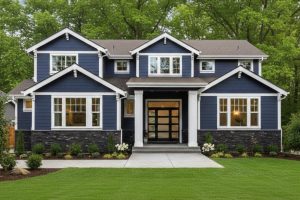
 Selecting the right siding material for your home is a crucial decision that goes beyond aesthetics. In the Midwest, where weather conditions can be unpredictable and extreme, the siding you choose must withstand a variety of environmental challenges. From heavy snowfall and rain to scorching heat and humidity, the right siding can protect your home while enhancing its curb appeal. This guide will help you navigate the options available, focusing on the unique climate challenges of the Midwest and the best materials suited for those conditions.
Understanding the Midwest Climate
The Midwest is characterized by its diverse climate, which varies significantly from one region to another. Homeowners must consider several factors when selecting siding materials, including:
Seasonal Variability
-
- Temperature Fluctuations: The Midwest experiences a wide range of temperatures, from sweltering summers to frigid winters. This variability can cause materials to expand and contract, leading to potential damage over time.
- Precipitation Patterns: Rain, snow, and humidity are common throughout the year. Understanding the average rainfall and snowfall in your area can help you choose a siding material that can withstand moisture without deteriorating.
Weather Events
-
- Severe Storms: The Midwest is prone to severe weather, including thunderstorms, hail, and tornadoes. Siding must be resilient enough to withstand high winds and impact from debris.
- Drought Conditions: Increasingly, parts of the Midwest are experiencing drought, which can lead to higher risks of fire. Choosing non-combustible materials is essential for safety.
Key Factors to Consider When Choosing Siding
When selecting siding for your Midwest home, several critical factors should guide your decision-making process:
1. Durability
Durability is paramount when it comes to siding materials. The right choice should withstand the elements without significant wear and tear.
-
- Fiber Cement: Known for its strength, fiber cement siding resists moisture, pests, and fire. It can last for decades with minimal maintenance.
- Steel Siding: Steel is incredibly durable and can withstand harsh weather conditions, including hail and high winds. It also resists rust and corrosion, making it a long-lasting option.
2. Weather Resistance
Given the Midwest’s unpredictable weather, siding must be able to resist moisture and temperature changes effectively.
-
- Moisture Management: Look for materials that prevent water absorption and allow for proper drainage. This is crucial to avoid mold and rot.
- Temperature Resilience: Siding should maintain its integrity during extreme temperature fluctuations, avoiding warping or cracking.
3. Fire Resistance
With increasing drought conditions, fire resistance is becoming a more critical factor in siding selection.
-
- Non-Combustible Options: Materials like fiber cement and steel siding are naturally fire-resistant, providing an added layer of safety for homes in fire-prone areas.
- Insurance Benefits: Many insurance companies offer discounts for homes with fire-resistant siding, making it a financially savvy choice.
Popular Siding Materials for the Midwest
Several siding materials are particularly well-suited for the Midwest climate. Here’s a closer look at some of the most popular options:
1. Vinyl Siding
Vinyl siding is one of the most widely used materials in the Midwest due to its affordability and low maintenance requirements.
-
- Pros: It is available in various colors and styles, making it easy to match your home’s aesthetic. Vinyl is also resistant to moisture and pests.
- Cons: While it is durable, vinyl can become brittle in extreme cold and may warp in high heat. It also lacks the fire resistance of other materials.
2. Fiber Cement Siding
Fiber cement siding is a robust option that combines durability with aesthetic appeal.
-
- Pros: This material is resistant to fire, moisture, and pests. It can mimic the look of wood or stucco, providing versatility in design.
- Cons: Fiber cement is heavier than vinyl and may require professional installation, which can increase upfront costs.
3. Engineered Wood Siding
Engineered wood siding offers the appearance of traditional wood with enhanced durability.
-
- Pros: It is designed to resist moisture and pests, making it a practical choice for the Midwest. It is also lighter than fiber cement, which can simplify installation.
- Cons: While it is more durable than natural wood, it may not be as long-lasting as fiber cement or steel.
4. Steel Siding
Steel siding is gaining popularity for its strength and low maintenance.
-
- Pros: It is highly resistant to impact, moisture, and fire. Steel siding can also be recycled, making it an environmentally friendly option.
- Cons: The initial cost can be higher than vinyl or engineered wood, but its longevity can offset this expense over time.
5. Brick and Stone Siding
For those seeking a timeless look, brick and stone siding offer unmatched durability.
-
- Pros: These materials are highly resistant to weather extremes and require minimal maintenance. They also provide excellent insulation.
- Cons: The installation can be costly and labor-intensive, making it a less budget-friendly option.
Maintenance Considerations
Different siding materials come with varying maintenance requirements. Understanding these can help you choose a material that aligns with your lifestyle:
1. Low-Maintenance Options
-
- Vinyl and Steel: Both materials require minimal upkeep, typically needing only occasional cleaning to maintain their appearance.
- Fiber Cement: While it requires repainting every 10-15 years, it is generally easier to maintain than wood siding.
2. Higher Maintenance Needs
-
- Natural Wood: Wood siding requires regular painting or staining to protect against moisture and pests. It can also be prone to warping and rot if not properly maintained.
- Engineered Wood: While it is more durable than natural wood, it still requires some maintenance to ensure longevity.
Energy Efficiency
Energy efficiency is another critical factor to consider when selecting siding. The right material can help regulate indoor temperatures, reducing heating and cooling costs.
1. Insulation Properties
-
- Fiber Cement and Steel: Both materials can provide good insulation, helping to keep your home comfortable year-round.
- Vinyl with Insulation: Some vinyl siding options come with added insulation, improving energy efficiency.
2. Long-Term Savings
Investing in energy-efficient siding can lead to significant savings on utility bills over time. Additionally, many energy-efficient materials may qualify for tax credits or rebates.
Installation Considerations
Proper installation is crucial for the performance of any siding material. Here are some key points to keep in mind:
1. Professional Installation
-
- Importance of Expertise: Hiring a qualified contractor ensures that the siding is installed correctly, maximizing its lifespan and effectiveness.
- Warranty Protection: Many manufacturers require professional installation to maintain warranty coverage.
2. DIY Installation
-
- Feasibility: While some homeowners may consider installing siding themselves, it is essential to understand the complexities involved, especially with heavier materials like fiber cement.
- Potential Risks: Improper installation can lead to issues such as moisture infiltration and reduced durability.
Cost Considerations
The cost of siding can vary significantly based on the material chosen, installation requirements, and local labor rates. Here’s a breakdown of what to expect:
1. Initial Costs
-
- Vinyl Siding: Generally the most affordable option, making it a popular choice for budget-conscious homeowners.
- Fiber Cement and Steel: These materials typically have higher upfront costs but offer long-term savings due to their durability.
2. Long-Term Value
-
- Resale Value: Homes with high-quality siding, such as fiber cement, often see a better return on investment when sold.
- Maintenance Costs: Consider the long-term maintenance costs associated with each material, as this can impact overall expenses.
Environmental Impact
As sustainability becomes increasingly important, many homeowners are considering the environmental impact of their siding choices.
1. Eco-Friendly Options
-
- Fiber Cement: Made from natural materials, fiber cement is a sustainable choice that can be recycled at the end of its life.
- Steel Siding: Steel is one of the most recycled materials available, making it an environmentally friendly option.
2. Less Sustainable Choices
-
- Vinyl Siding: The production of vinyl siding can release harmful chemicals, and it is not biodegradable, leading to landfill concerns.
- Natural Wood: While aesthetically pleasing, the harvesting of wood can contribute to deforestation if not sourced sustainably.
Choosing the best siding material for your Midwest home involves careful consideration of various factors, including climate, durability, maintenance, and environmental impact. By understanding the unique challenges posed by the Midwest climate and evaluating the pros and cons of each siding option, you can make an informed decision that enhances your home’s protection and aesthetic appeal. Whether you opt for the resilience of fiber cement, the affordability of vinyl, or the timeless beauty of brick, the right siding will serve your home well for years to come.
Crisp Roofing Provides Siding Installation and Repair Services
Siding installation and repair are essential components of home exterior maintenance, contributing to both aesthetics and protection against the elements. Crisp Roofing works with various materials, including vinyl, fiber cement, wood, and metal, each offering unique benefits in terms of durability, insulation, and visual appeal.
> Learn More
Contact us (859-525-7888) for a free quote!
—
 About Crisp Roofing
Crisp Roofing installs and maintains quality residential and commercial roofing systems in Greater Cincinnati and Northern Kentucky. We specialize in Roofing, Gutters, Siding, and more. Since 2003, Crisp Roofing has been committed to the roofing industry, our employees, and our customers and that is the reason we have been able to grow our business every year since we have began. We are certified by the GAF and CertainTeed companies to install and maintain their roofing systems so you can be assured each job will be completed with the the highest standards. Crisp Roofing is an active member of the Northern Kentucky Home Builders Association (HBANKY) and maintains a A+ rating with the Better Business Bureau (BBB).