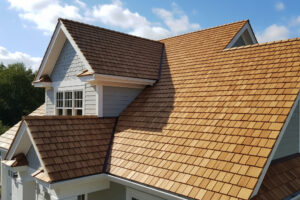
 Wood shake roofing has long been a favored choice for homeowners seeking a blend of aesthetic appeal and durability. This traditional roofing material, crafted from split logs, offers a unique charm that enhances the character of any home. In this guide, we will explore the various aspects of wood shake roofs, including their history, benefits, installation processes, maintenance requirements, and more.
Understanding Wood Shake Roofing
Wood shake roofs are made from natural wood, typically cedar, redwood, or pine. Unlike wood shingles, which are machine-cut for uniformity, shakes are hand-split, resulting in a more textured and rustic appearance. This method of production not only contributes to the unique look of each shake but also enhances its performance against the elements.
Types of Wood Used
-
- Cedar: Known for its natural resistance to rot and insects, cedar is the most popular choice for wood shakes. It offers a lifespan of 30 to 40 years with proper maintenance.
- Redwood: This wood is prized for its rich color and durability, making it an excellent option for shake roofing, especially in harsher climates.
- Pine: While less resistant to decay than cedar or redwood, treated pine can be a cost-effective alternative for homeowners on a budget.
Characteristics of Wood Shake
-
- Thickness: Wood shakes typically range from ¾ inch to 1¼ inches in thickness, providing excellent insulation and durability.
- Texture: The hand-split nature of shakes gives them a rough texture that adds depth and character to a roof.
- Natural Variation: Each shake is unique, contributing to the overall aesthetic appeal of the roof.
Advantages of Wood Shake Roofing
Wood shake roofs offer numerous benefits that make them a popular choice among homeowners. Here are some of the key advantages:
Aesthetic Appeal
The natural beauty of wood shakes adds a timeless charm to any home. Their rustic appearance complements various architectural styles, from traditional to modern designs. The way light interacts with the textured surface creates a warm and inviting atmosphere.
Insulation Properties
Wood is a natural insulator, helping to regulate indoor temperatures. This means that homes with wood shake roofs can remain cooler in the summer and warmer in the winter, potentially reducing energy costs.
Durability
When properly installed and maintained, wood shake roofs can last for decades. They are resistant to wind damage and can withstand harsh weather conditions, making them a reliable roofing option.
Environmental Sustainability
Wood shakes are biodegradable and sourced from renewable resources, making them an eco-friendly choice for environmentally conscious homeowners. Additionally, many manufacturers offer shakes made from sustainably harvested wood.
Disadvantages of Wood Shake Roofing
While wood shake roofs have many advantages, they also come with some drawbacks that homeowners should consider:
Maintenance Requirements
Wood shakes require regular maintenance to prevent issues such as rot, mold, and algae growth. Homeowners should plan for periodic inspections and treatments to keep their roofs in good condition.
Cost
The initial investment for wood shake roofing can be higher than other materials, such as asphalt shingles. However, many homeowners view this as a worthwhile investment due to the longevity and aesthetic appeal of wood shakes.
Fire Risk
Wood is inherently flammable, which can be a concern in areas prone to wildfires. Homeowners should consider fire-resistant treatments or alternative materials if they live in high-risk zones.
Installation Process for Wood Shake Roofing
Installing a wood shake roof requires careful planning and execution. Here’s a step-by-step overview of the installation process:
1. Pre-Installation Planning
Before installation begins, a thorough inspection of the roof deck is essential. This includes checking for structural integrity, ventilation, and insulation. Proper ventilation is crucial for extending the lifespan of the roof.
2. Material Selection
Homeowners can choose between different types of wood shakes, such as cedar or redwood. It’s important to understand the differences in aesthetics, performance, and cost before making a decision.
3. Deck Preparation
If replacing an old roof, all remnants must be removed, and high-grade plywood decking should be installed. This ensures a solid foundation for the new shakes.
4. Installation
Starting from the bottom, shakes are applied in overlapping rows. The length of the shakes can vary, typically ranging from 24 to 36 inches. Stainless steel or galvanized nails are used to secure the shakes, preventing rust and damage.
5. Flashing and Details
Metal flashing is installed around vents, chimneys, and skylights to prevent leaks. Properly integrated flashing helps maintain the integrity of the roof.
6. Final Inspection
Once installation is complete, a final inspection is conducted to ensure everything is in order. This includes checking for any loose shakes or potential issues that could arise.
Maintenance Tips for Wood Shake Roofing
To ensure the longevity of a wood shake roof, homeowners should follow these maintenance tips:
Regular Inspections
Conduct regular inspections to identify any signs of damage, such as cracked or split shakes. Early detection can prevent more significant issues down the line.
Cleaning Debris
Remove leaves, branches, and other debris from the roof to prevent moisture buildup. This can help reduce the risk of mold and algae growth.
Protective Treatments
Applying protective coatings can help preserve the wood and prevent rot. Treatments should be reapplied every few years, depending on the product used.
Trimming Overhanging Branches
Trim any overhanging branches to prevent them from rubbing against the roof and causing damage.
Addressing Repairs Promptly
If any issues are identified during inspections, address them promptly to prevent minor problems from escalating into costly repairs.
Comparing Wood Shake to Other Roofing Materials
When considering roofing options, it’s essential to compare wood shake to other materials. Here’s how wood shake stacks up against some popular alternatives:
Asphalt Shingles
-
- Cost: Asphalt shingles are generally less expensive than wood shakes.
- Maintenance: Asphalt requires less maintenance but may not last as long as wood shakes.
- Aesthetic: Wood shakes offer a unique, rustic look that asphalt cannot replicate.
Metal Roofing
-
- Durability: Metal roofs are highly durable and can last longer than wood shakes.
- Maintenance: Metal requires minimal maintenance compared to wood shakes.
- Aesthetic: While metal can be stylish, it lacks the natural warmth of wood.
Slate Roofing
-
- Longevity: Slate roofs can last over 100 years, far exceeding the lifespan of wood shakes.
- Cost: Slate is significantly more expensive than wood shakes.
- Weight: Slate is much heavier, requiring additional structural support.
The Environmental Impact of Wood Shake Roofing
Choosing wood shake roofing can have a positive environmental impact when sourced responsibly. Here are some considerations:
Sustainable Sourcing
Many manufacturers offer wood shakes made from sustainably harvested timber. This helps ensure that the forests are managed responsibly and that the ecosystem remains intact.
Biodegradability
Wood shakes are biodegradable, meaning they will break down naturally over time, reducing landfill waste compared to synthetic roofing materials.
Energy Efficiency
The natural insulation properties of wood can help reduce energy consumption in homes, contributing to a lower carbon footprint.
Wood shake roofing offers a unique blend of beauty, durability, and environmental sustainability. However, it also requires a commitment to maintenance and care. If you appreciate the rustic charm of wood and are willing to invest in its upkeep, a wood shake roof could be the perfect choice for your home.
Crisp Roofing Provides Roof Installation and Repair Services
We install and repair roofing for commercial and residential roofing projects. We are experts at designing and installing roofing systems. A well designed roofing system will help your roof to last longer and prevent leakage in troubled areas of your roof.
> Learn More
Contact us (859-525-7888) for a free quote!
—
 About Crisp Roofing
Crisp Roofing installs and maintains quality residential and commercial roofing systems in Greater Cincinnati and Northern Kentucky. We specialize in Roofing, Gutters, Siding, and more. Since 2003, Crisp Roofing has been committed to the roofing industry, our employees, and our customers and that is the reason we have been able to grow our business every year since we have began. We are certified by the GAF and CertainTeed companies to install and maintain their roofing systems so you can be assured each job will be completed with the the highest standards. Crisp Roofing is an active member of the Northern Kentucky Home Builders Association (HBANKY) and maintains a A+ rating with the Better Business Bureau (BBB).